
Extinct foods are dishes, ingredients, or entire species once central to human diets but lost due to overhunting, habitat destruction, agricultural shifts, or environmental changes. These vanished edibles offer a glimpse into ancient culinary worlds, from prehistoric feasts to forgotten crops, highlighting how human appetites reshaped ecosystems.vocal+1
Notable Examples
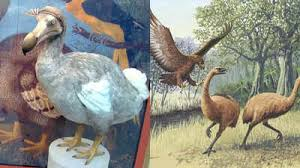
Passenger pigeons, once numbering billions in North America, were a staple “big bread” for Native Americans until overhunting wiped them out by 1914; their tender meat graced pies and stews. The dodo bird, hunted by sailors on Mauritius, provided tough survival fare before invasive species ended it in the late 1600s. Steller’s sea cow, a giant sirenian, supplied fatty, corned-beef-like flesh to explorers until extinction within decades of its 1741 discovery.reddit+2
Lost Crops and Plants
Eastern North America’s “lost crops”—goosefoot, sumpweed, and maygrass—sustained indigenous peoples for millennia before corn’s dominance relegated them to weeds. Silphium, a prized ancient Mediterranean herb for seasoning and medicine, vanished by the 1st century AD from overharvesting. Varieties like Old Cornish cauliflower succumbed to disease and market preferences in the mid-20th century.wikipedia+2
These extinctions remind us of food’s fragility, spurring efforts to revive lost flavors through archaeology and de-extinction projects.